


Lights, Sound, India!

In a world increasingly dominated by fleeting digital interactions and fast-paced lives, the experience industry has emerged as a powerful antidote—a space where people are choosing to feel more than own. And perhaps nowhere is this shift more visible and visceral than in India. From iconic rock stars to contemporary dance revolutions, India is no longer just a consumer of global culture—it’s becoming a vibrant, expressive stage for it.
There’s something so deeply personal about witnessing art in real-time. Whether it's the raw emotion of a live concert, the collective silence during a poignant dance performance, or the energy of a crowd moving to the same beat—it leaves an imprint. This desire for authentic, shared experiences is fueling a cultural and economic transformation, and India is right at the heart of it.
The concert culture in India has exploded in recent years. What was once limited to niche rock festivals or rare international tours has transformed into a bustling calendar of events featuring global superstars. According to BookMyShow, the demand for live events has doubled since 2019, with the most significant chunk of growth coming from Gen Z and millennial audiences.
And honestly, it’s not hard to see why. There’s an indescribable joy in being surrounded by thousands of people who know every lyric to your favorite song. One standout example? Coldplay. When tickets went live for their India concert, they sold out in minutes, crashing websites and sparking massive waitlists. The surge in demand led to additional concert dates being announced—a testament to how music fans are willing to spend, travel, and queue for hours just to experience the magic live.
But this boom isn’t just for teenagers and 20-somethings.
Concerts today are becoming increasingly inclusive across generations. While Arijit Singh and Bryan Adams draw in older audiences with their soulful performances and nostalgia-laden tracks, artists like Ed Sheeran and Coldplay attract the younger crowd. Bands like Maroon 5 are catching the attention of those in their 30s and 40s—music that bridges youthful energy with grown-up themes. Even Guns N’ Roses have been part of this cultural resurgence, their shows seeing attendance from die-hard Gen X fans and curious younger listeners alike.
A key highlight in this trend is the Bryan Adams India Tour, which sparked overwhelming excitement not just in metro cities but in smaller towns as well. His return to India after years marks how international artists now see India not just as a pitstop, but as a prime touring destination. And for us, the audience—it’s a beautiful reminder that music never ages, it only evolves with us.

Parallel to music, dance has been scripting its own success story. The number of dance showcases, festivals, and workshops held across India has multiplied, fueled by social media, pop culture, and a wave of talented new artists who are redefining what Indian dance looks like.
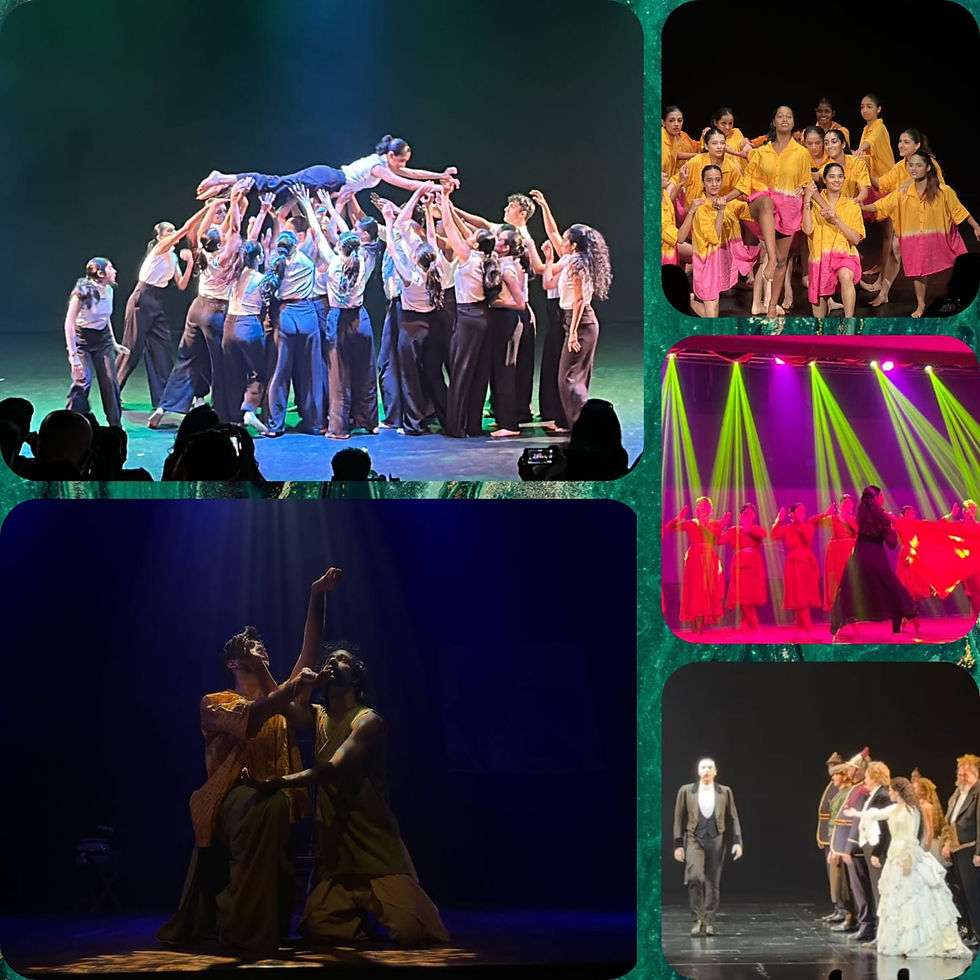
Take, for instance, the poignant choreography “Samaaj” performed by Jainil Mehta and Shubham Mahawar. At the heart of Samaaj lies a compelling queer love story—Samir & Miraaj. Their journey unfolds through poetic storytelling, evocative dance, and soul-stirring music, creating an immersive experience that transcends boundaries. This production is a tribute to love in all its forms, a celebration of resilience, and an invitation to embrace authenticity. Samaaj doesn’t just entertain—it educates, challenges, and uplifts.
Choreographers like Jainil, alongside many rising artists, are using platforms like Instagram and YouTube to reach audiences globally. As a result, more Indians are turning to dance not just as a performance, but as a shared experience—one that connects, heals, and empowers.
Another remarkable trend is the seamless merging of Indian and Western artistic traditions. Dance schools and performers are now blending Bharatanatyam with ballet, hip-hop with classical Kathak, and even incorporating Indian folk elements into jazz and contemporary formats. This cultural fusion isn’t just aesthetic—it reflects a generation unafraid to straddle identities. Performances today tell stories that resonate globally while staying rooted in Indian sensibilities.
Whether it’s a Broadway-style musical incorporating Indian myth or a contemporary dance set to Carnatic-electronic fusion, the lines between East and West are beautifully blurring. One powerful example is the Rambert Dance Academy, where they are incorporating Bollywood-style dance and Indian folk in their performances and showcases.
In a way, this is the new India—where tradition and innovation dance side by side.
The launch of the Nita Mukesh Ambani Cultural Centre (NMACC) in Mumbai marked a turning point in India’s performing arts landscape. With Broadway-style productions like Mamma Mia! and The Phantom of the Opera taking center stage, the Indian audience is now being exposed to world-class theatre without ever leaving the country.
NMACC isn’t just a venue—it’s a catalyst for India’s cultural transformation. It’s pushing boundaries, introducing global performance art to local audiences, and giving Indian talent a world-class platform. It’s making space for the kind of experiences we used to dream about—right here, at home.
Experiences are no longer a luxury—they’re a priority. Indians are increasingly choosing to spend on memories, not just materials. A 2024 report by Deloitte revealed that over 65% of urban Indian consumers preferred spending on travel, concerts, and events over physical products.
And genuinely, who can blame them? A new phone will eventually feel old. But dancing to Paradise at a Coldplay concert with your best friend? That moment is yours forever.
For brands and businesses, this opens up massive opportunities. Concert promoters, ticketing platforms, merchandising companies, food and beverage vendors, and even hospitality businesses are cashing in. The ripple effect of a single concert or performance can span across multiple industries.
And for artists? The financial prospects are brighter than ever. Independent choreographers and musicians are monetizing their art through ticketed workshops, brand collaborations, NFT-based digital content, and exclusive experiences.
Even as inflation rises, people are willingly paying premium prices because experiences have an emotional Return on Investment. They heal, connect, inspire, and linger in memory far longer than a purchase ever could.
India's experience industry is in its golden hour, but what’s even more exciting is knowing this is just the beginning. From soulful concerts that make us cry to dance performances that challenge our perceptions, every ticket sold is a ticket to something bigger—a shared moment, a wave of inspiration, a cultural awakening.
Whether you're a teenager vibing to Ed Sheeran, a nostalgic soul reliving Bryan Adams' classics, or a dance lover moved by Samaaj, one thing is clear: India is no longer sitting in the audience. It’s dancing center stage.
And with every cheer, every standing ovation, and every story told on stage, we’re not just watching. We’re feeling. And that makes all the difference.



Comments